Custom embroidery patches serve a purpose beyond mere decoration. They are a way to express identity creatively, representing a brand, team, or cause. Custom patches, whether on clothing like jackets or hats or on corporate uniforms, hold importance and are easily seen. However, creating an excellent personalized patch necessitates careful consideration.
Let’s explore the dos and don’ts of making custom embroidered patches to ensure they are attractive, long-lasting, and significant.
Creating Embroidery Patches – Factors to Consider
Below are some tips to assist you in making awesome embroidered patches:
Do: Keep the Design Simple and Impactful
Simplicity is the only secret to success when creating bespoke embroidered patches. Intricate patterns may appear aesthetically pleasing but may not work effectively in embroidery.
Patches, particularly embroidered ones, have limited space and texture constraints. Detailed designs may get lost in the stitches, and intricate elements can become hard to see or appreciate.
Why simplicity works:
- Think about famous logos like Nike’s swoosh or Apple’s logo. Both are simple yet highly recognizable. The fewer elements your patch has, the easier it is to process visually.
- Simpler designs also make it easier for the embroidery process to maintain clarity, especially when it comes to text or small details.
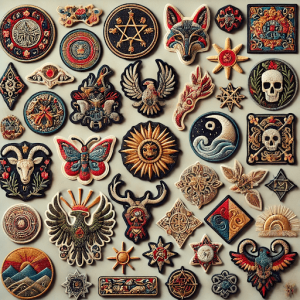
Don’t: Overcomplicate the Design
Including excessive colors, shapes, or complex details can result in a cluttered and difficult-to-read patch. It’s important to remember that simplicity is key when creating custom embroidered patches.
What can go wrong:
- Overly complicated patches may not embroider well, with details getting lost or becoming unreadable.
- Using too many colors can increase production costs, especially if you’re working with metallic threads or special features like glow-in-the-dark threads.
You might be interested in: All You Need to Know About Custom Embroidered Patches
Do: Choose the Right Thread Colors
Color is crucial in creating custom embroidered patches. It is crucial to choose thread hues that enhance your design and contrast with the fabric it will be sewn onto.
Employ different colors that are opposite to each other to guarantee that your logo, text, or artwork stands out when viewed from afar.
Color selection tip:
Ensure readability by using different colors for the text and background that contrast with each other. For instance, the combination of white text on a black background is effective, compared to dark blue text on a black background, which would blend and become difficult to crack.
Don’t: Use Too Many Similar Colors
Using colors that are too similar is a common mistake in patch design. It can cause certain parts of the patch to blend together. For instance, using a dark navy background with dark green text will cause the design elements to merge, making the text difficult to read.
Avoiding color mistakes:
- Select vibrant colors that stand out when placed alongside one another. Consider high-contrast pairings, like using light text on a dark background or dark text on a light background.
- Stick to two to four colors for most patches. While it’s tempting to use the entire color pallette, too many colors can dilute the impact of your design.
Do: Opt for Larger Font Sizes
Your patch’s message should be legible, whether it’s a slogan, brand name, or team logo. One way to ensure this is by using larger fonts. A good rule of thumb is that text should take up around 60% of the patch’s design.
Why larger fonts matter:
- Larger fonts are easier to embroider and are more likely to maintain their shape over time, especially after repeated wear and wash.
- People should be able to read your patch from a distance. Small fonts are harder to read and tend to disappear into the design.
Don’t: Use Thin or Delicate Fonts
Using thin fonts may seem like a good idea for adding elegance or style to your patch, but they can be difficult to embroider. Thin letters may lose shape, especially when embroidered on small patches, and delicate threads can wear out faster over time.
Better font choices:
- Stick to bold, blocky fonts that can withstand the embroidery process and retain their structure even with wear and tear.
- Avoid overly stylized or script fonts unless your patch is large enough to accommodate fine details.
Do: Consider Size and Placement
The size is one of the most important considerations when creating personalized embroidered patches. A bigger patch allows for more room for details, whereas a smaller patch restricts your choices.
Before you complete your design, consider the patch’s placement. Patches for hats will have to be smaller and more condensed than patches for jackets or bags.
Ideal sizing tips:
- For text-heavy patches, choose sizes over 2 inches to ensure readability.
- Consider the final placement of the patch. If it’s going on a sleeve, make sure the size complements the placement without being overwhelming or too small.
Don’t: Go Too Small
While tiny patches may seem cute or subtle, they come with their own set of challenges. Small patches don’t offer enough space for complex designs, and text can become unreadable. Patches under 2 inches are more prone to losing detail, especially after being embroidered.
Why size matters:
- A larger patch provides more room for creative designs and larger text, ensuring the message is clear and visible.
- Small patches may also be harder to attach properly, especially if you’re using custom iron-on patches or custom Velcro patches.
Read also: Why Picking the Best Fabric for Embroidery Patches Matters
Do: Use Borders to Define the Design
Putting a border around your personalized patch gives it a finished appearance. A wide border, typically 2-3 mm in width, can outline the design and enhance its visibility on the fabric backdrop. Borders also prevent the patch from fraying over time, extending its durability.
Why borders are essential:
- A border helps separate the design from the fabric it’s sewn onto, creating a clear distinction between the patch and the apparel.
- It also adds structure, making the patch easier to apply, especially with custom patches iron-on or Velcro options.
Don’t: Skip the Border
Even though you may be drawn to a borderless patch for a simple aesthetic. Choosing to do so could spoil the patch’s longevity and appearance. Patches are prone to fraying more easily, and their edges could merge with the background fabric if there is no border.
Protect your patch:
- Add either a merrowed border for a classic stitched look or a laser-cut edge for a cleaner finish.
- A well-defined border helps preserve the integrity of the embroidered design, ensuring your patch stays intact for years to come.
Do: Work with a Professional Custom Patch Maker
Creating custom patches can be tricky, especially when you consider all the variables involved—size, color, thread type, and backing options like custom Velcro patches or custom iron-on patches. Working with a professional patch maker ensures that your design is translated perfectly into embroidery.
Advantages of professional help:
- Expert guidance on design elements like font size, color combinations, and borders.
- Access to high-quality materials like metallic threads, custom PVC patches, and more.
- A faster turnaround time and the ability to receive a physical sample before full production.
Boost Your Brand Identity with Personalized Embroidered Patches
Embroidered patches can be a strong asset for branding, team unity, and individual style. By adhering to the above guidelines, you can ensure that your custom patch, regardless designed for a corporate event, sports team, or personal project, will be eye-catching for the right reasons.
At Patch Makers USA, we specialize in producing top-notch customized embroidered patches such as leather, PVC, and iron-on patches. Our skilled team will lead you from design to production, making sure your vision comes to life. Get in touch with us now and begin crafting your custom patch artwork!