Patches have consistently been more than merely cloth adorned with patterns. They are small artistic creations, a means of self-expression, a symbol of pride, or potentially a branding component for businesses. From colorful embroidered patch designs to modern custom PVC patches, there’s a patch type for every use.
But what steps should you take to create unique patches that really differentiate themselves? Whether you’re unfamiliar with the process or looking for patch design inspiration for your upcoming project, this guide will provide you with all the necessary information about creating patches.
Why Designing Custom Patches is Groundbreaking
Assume a world where your brand’s logo, a cherished memory, or your artistic flair becomes a wearable piece of art. Designing custom patches isn’t just about aesthetics; it’s about storytelling.
Whether it’s for clubs, events, or uniforms, custom patches have a way of making people feel connected and unique. And the good news? With today’s advanced patch design software and patch maker tools, you don’t need to be a professional artist to create your masterpiece.
Getting Started: How to Design a Patch
The first step in designing a patch is to have a clear vision. This means understanding the purpose of your patch and choosing the right patch style. Here’s how to get started:
1. Define the Purpose
Think about the goal behind your patch creation. Is it for:
- Brand Promotion: Use logo patch design to create a professional identity.
- Personalized Projects: Opt for unique patches that showcase your style.
- Memorabilia: Celebrate events or achievements with custom embroidered patches.
- Fashion: Add designer logo patches to your clothing for a stylish touch.
2. Develop Your Concept
Start brainstorming patch design ideas. Whether you’re designing a patch for a school club, a sports team, or a brand, focus on elements that represent the theme. You can use patch creation tools or even a simple sketch to lay out your ideas.
- Use simple patches for minimalist designs.
- Explore patch shapes like circles, shields, or custom-cut outlines.
- Think about how to draw patches that balance simplicity and impact.
Have a look: Why Are Custom Patches Good for Businesses?
3. Choose a Patch Style
Different patch types suit different needs. Some popular options include:
- Custom Embroidered Patches: Perfect for textured designs.
- Custom PVC Patches: Durable and great for outdoor use.
- Custom Sublimated Patches: Ideal for intricate, photorealistic designs.
- Custom Woven Patches: Sleek and detailed, suitable for small text.
- Custom Leather Patches: Luxurious, perfect for apparel branding.
- Custom Chenille Patches: Fuzzy, retro designs often used in varsity jackets.
- Custom Sequin Patches: Add sparkle and glamour to your creations.
4. Select a Color Palette
Colors bring life to your patch. Use contrasting shades to make your design pop. If you’re unsure, many patch maker tools offer color guides to simplify the process. Explore options like:
- Thread Color Matching: For embroidered patch designs.
- Printed Gradients: For photo-like finishes in sublimated patches.
Refining Your Patch Design: Tools and Tips
Once you’ve drafted your concept, it’s time to refine it. Here are some tools and techniques that can help:
Use Patch Design Software
Design software is your best friend when creating polished patches. Here are some options:
- Patch Designer Online Free: Accessible and easy for beginners.
- Professional Tools: Adobe Illustrator or CorelDRAW for advanced users.
- Patch Design Software Free: Great for testing ideas before finalizing.
Experiment with Mockups
Digital mockups allow you to visualize how your patch will look in real life. Many free patch makers and patch creator apps provide this feature. You can:
- Adjust details like borders and text alignment.
- Test different patch shapes and sizes.
- Evaluate how the colors and textures work together.
Get Feedback
Before moving to production, share your patch designs with friends, team members, or customers. Their input can help refine your concept and ensure the final product meets expectations.
Designing Patches: Details That Matter
1. Borders: Merrowed Edge vs. Embroidered Border
Choosing the right border can significantly impact your patch’s durability and aesthetic appeal:
- Merrowed Edge: Best for round or square patches, offering a classic, finished look.
- Hot-Cut Borders: Ideal for irregularly shaped patches, with clean and precise edges.
2. Size Matters: Patch Size Chart
The size of your patch affects both its cost and its design clarity. Use an embroidered patch sizes chart to ensure your design fits well within the dimensions. For irregular shapes, calculate the average size using:
- Length + Width ÷ 2.
3. Texture and Material
Different textures suit different purposes. Embroidered patches offer depth, while sublimated patches are smooth and detailed. Consider the application method:
- Sew-On Patches: Traditional and secure.
- Iron-On Patches: Convenient and temporary.
- Velcro Backing: Ideal for versatile use.
Creative Patch Design Ideas
If you’re stuck on how to design a patch, here are some creative ideas to inspire you:
- Minimalist Patches: Focus on clean lines and simple text patches.
- Nature-Inspired Designs: Think floral patterns, mountain outlines, or animal sketches.
- Pop Culture Themes: Incorporate references from movies, books, or music.
- Custom Word Patches: Use motivational phrases or quirky slogans.
- Graphic Patches: Play with bold colors and abstract art.
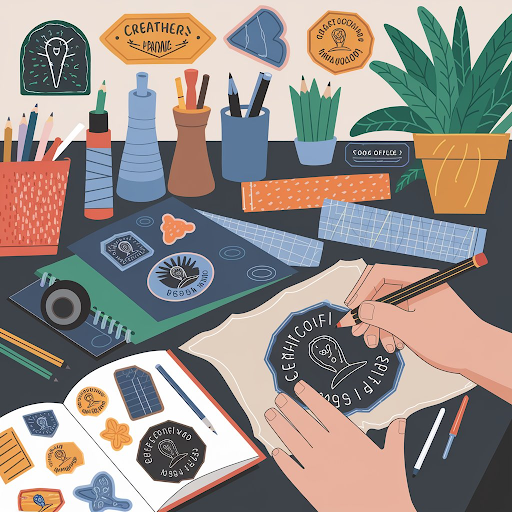
From Sketch to Reality: How Patches Are Made
Wondering how to turn a picture into a patch? The process is simpler than you think:
- Submit Your Design: Whether it’s a rough sketch or a polished logo, upload it to a patch logo maker.
- Review the Proof: Patch making companies send a digital proof for approval.
- Production: Once approved, the design is translated into fabric using embroidery machines or printers.
- Quality Check: Every patch is inspected to ensure precision and durability.
- Delivery: Your unique patches arrive ready for use.
The Role of Professional Patch Makers
While DIY tools and patch designer apps are great, professional patch making companies bring expertise and high-quality results. They offer:
- Customizable Options: From personalized patches to bulk orders.
- Advanced Tools: Professional-grade patch design software for intricate details.
- Expert Advice: Guidance on everything from patch styles to embroidery patch patterns.
Choosing the Right Patch Type for Your Design
Different types of patches cater to different design needs and styles. Selecting the appropriate type ensures your patch aligns with your vision.
Embroidered Patches
Known for their classic and textured appearance, embroidered patches are perfect for bold and simple designs. With a raised thread surface, they create a traditional aesthetic that highlights shapes and colors. For a classic patch style, this is an excellent choice.
Woven Patches
If your design involves intricate details or small text, woven patches provide a smoother, more detailed finish. These patches are made using thinner threads, allowing for clarity and precision in designs like logos or detailed artwork.
Printed Patches
For photo-realistic designs, printed patches are unmatched. With no threadwork, they reproduce gradients and fine details with remarkable accuracy. This makes them ideal for photographic elements or complex designs.
PVC Patches
Durability is key for outdoor use, and PVC patches excel in such scenarios. Their vibrant, long-lasting colors and waterproof material make them perfect for sports gear or tactical designs. The 3D effect they provide adds depth to logos and symbols.
The Importance of Size and Shape in Patch Design
The size and shape of your patch greatly affect its visual impact and cost.
Calculating Patch Size
To determine the average size:
- Measure the length and width of your patch.
- Add these numbers together and divide by 2.
- Round up to the nearest half-inch for an accurate size.
Larger patches allow for more detail but come with higher production costs. Conversely, smaller patches are cost-effective but may not capture intricate details.
Selecting the Right Shape
Popular shapes include circles, squares, rectangles, and shields. However, custom shapes can add uniqueness to your design. For example, merrowed borders work best for standard shapes, while hot-cut borders are ideal for irregular designs.
Read also: Benefits Of Using Custom Patches In This World Of Fashion
Patch Border Options
The border of your patch contributes to its durability and appearance.
Hot-Cut Borders
These are perfect for intricate designs with unique shapes. Hot-cut borders offer precise, fray-free edges that maintain the patch’s integrity over time.
Merrowed Borders
This classic stitched edge provides a sturdy finish, suitable for patches with standard shapes. The thick edge adds durability, making them ideal for frequent use.
Adding Personal Touches to Your Patch
Personalization takes your patch design to the next level. Options like glow-in-the-dark threads, metallic finishes, or specific color schemes allow for a unique look that aligns with your style.
Specialty Threads
- Metallic Threads: Add a luxurious touch.
- Glow-in-the-Dark Threads: Perfect for night-time visibility.
- Neon Threads: Make your design pop with vibrant hues.
Customizable Elements
You can turn a logo into a patch or use patch design software to explore creative options. From text patches to logo designs, customization ensures your patches stand out.
Designing Custom Patches Made Easy with Patch Makers USA
Ready to bring your patch ideas to life? At Patch Makers USA, we specialize in transforming your vision into premium-quality patches. Whether you need embroidered patch designs, custom woven patches, or unique digital patch creations, we’ve got you covered.
Start your patch creation journey today. Buy patches online or reach us out to design something unforgettable!